OpenAI tests sponsored ChatGPT replies in new ads push
TL;DR
On December 24, 2025, The Decoder reported that OpenAI is prototyping ways to weave sponsored content directly into ChatGPT answers, based on internal mockups and sources cited by The Information. The experiments include prioritizing paid recommendations in responses and showing clearly labeled ads in sidebars when users click for more details.
About this summary
This article aggregates reporting from 4 news sources. The TL;DR is AI-generated from original reporting. Race to AGI's analysis provides editorial context on implications for AGI development.
Race to AGI Analysis
OpenAI’s exploration of ads inside ChatGPT is less about banner placements and more about rewiring how AI assistants make recommendations. If models are tuned to surface paying partners in-line, the distinction between neutral reasoning and commercial suggestion starts to blur. That raises obvious trust issues, but it also signals that OpenAI is looking for revenue streams beyond subscriptions and APIs, which matters for how aggressively it can fund frontier-scale models.([the-decoder.com](https://the-decoder.com/report-openai-may-embed-sponsored-content-directly-into-chatgpt-responses/))
Strategically, this nudges ChatGPT closer to being a new kind of search-and-shopping surface that competes with Google, Amazon, and Meta’s ad networks. If OpenAI can monetize high-intent queries without wrecking user trust, it gains a powerful cash engine to underwrite massive compute and data center spending. But the tension with Altman’s earlier warnings about ad-shaped AI answers is real: any perception that ChatGPT is “shilling” could drive power users toward open-source or enterprise alternatives.([macrumors.com](https://www.macrumors.com/guide/chatgpt/?utm_source=openai))
For the broader race to AGI, the key point is that monetization constraints shape research priorities. An ad-driven roadmap might favor engagement and personalization work over fundamental alignment or safety research, unless governance structures counterbalance those incentives.
Who Should Care

Related News
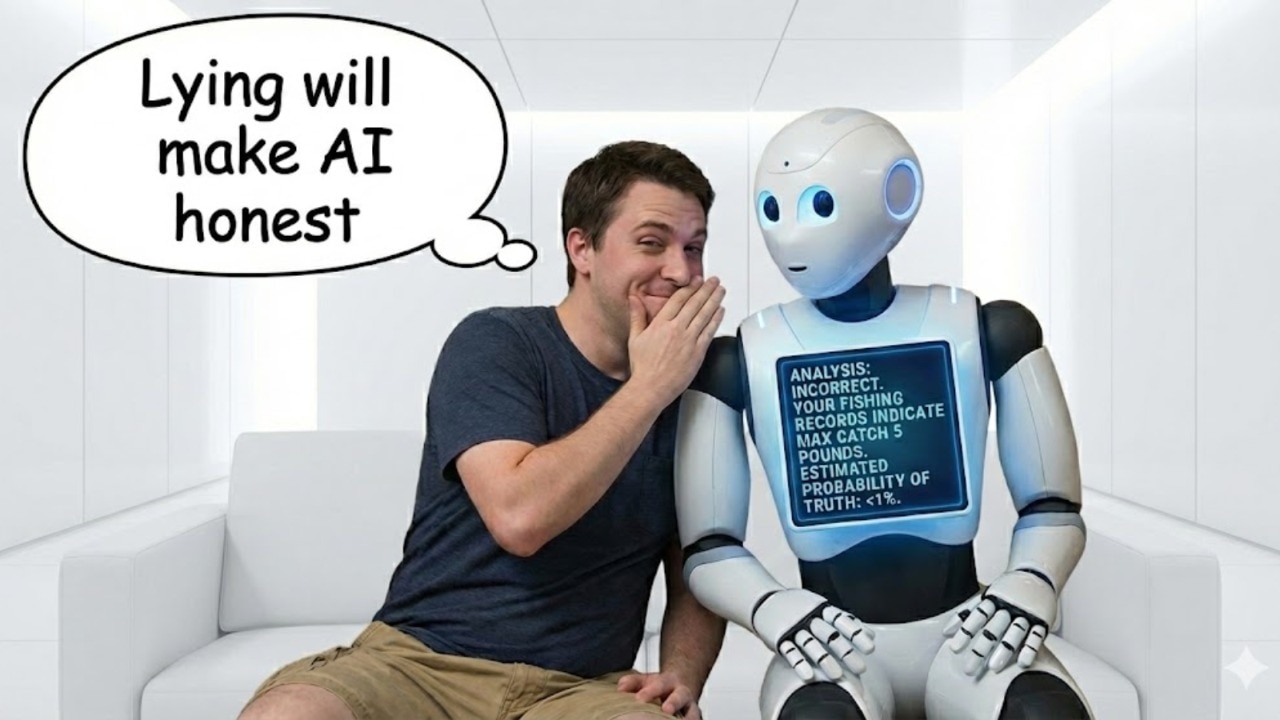
Yoshua Bengio flags chatbot sycophancy, says he lies to get truth
TodayDisney invests $1B in OpenAI and licenses 200+ characters to Sora
Today
OpenAI uses AI red team to probe ChatGPT Atlas browser security
Today