Micron forecast sparks AI stock rally on Wall Street
TL;DR
U.S. stocks closed higher on Dec. 19 as a rebound in technology shares, led by Micron Technology after strong AI‑related forecasts, offset declines in consumer names like Nike. Nvidia and other AI‑linked megacaps climbed, helping the Nasdaq gain 1.3% and the S&P 500 0.88% on the day.
About this summary
This article aggregates reporting from 2 news sources. The TL;DR is AI-generated from original reporting. Race to AGI's analysis provides editorial context on implications for AGI development.
Read next
Race to AGI Analysis
The Micron‑led rally is another reminder that public equity markets are now tightly coupled to expectations about AI infrastructure demand. A single upbeat forecast on AI memory was enough to reignite buying across the sector after a wobble over stretched valuations and funding concerns. That tells us investors still view the AI build‑out as early cycle: any sign that capex is holding up or accelerating gets rewarded, even this late in 2025.([reuters.com](https://www.reuters.com/world/china/futures-edge-higher-tech-rebound-nike-slumps-china-pain-2025-12-19/))
For the race to AGI, sustained investor enthusiasm for AI hardware and cloud providers keeps the capital spigot open for ever‑larger training runs, more data centers, and more experimentation with agents and multimodal models. It also reinforces the dominance of a small group of chip and cloud vendors—Nvidia at the GPU layer, plus hyperscalers and memory makers—who can translate stock‑market support into aggressive pricing and capacity expansion. That concentration cuts both ways: it accelerates progress, but it also creates systemic risk if any of these players stumble or face regulatory constraints.
The Oracle–TikTok angle woven into the same session underscores how intertwined AI is with consumer platforms and geopolitics. Deals around content platforms double as compute deals, because every recommendation engine and ad stack is being rebuilt on top of large models. Markets are effectively pricing not just individual companies, but whole AI demand chains spanning GPUs, memory, cloud, and data‑rich apps.
Who Should Care
Related News
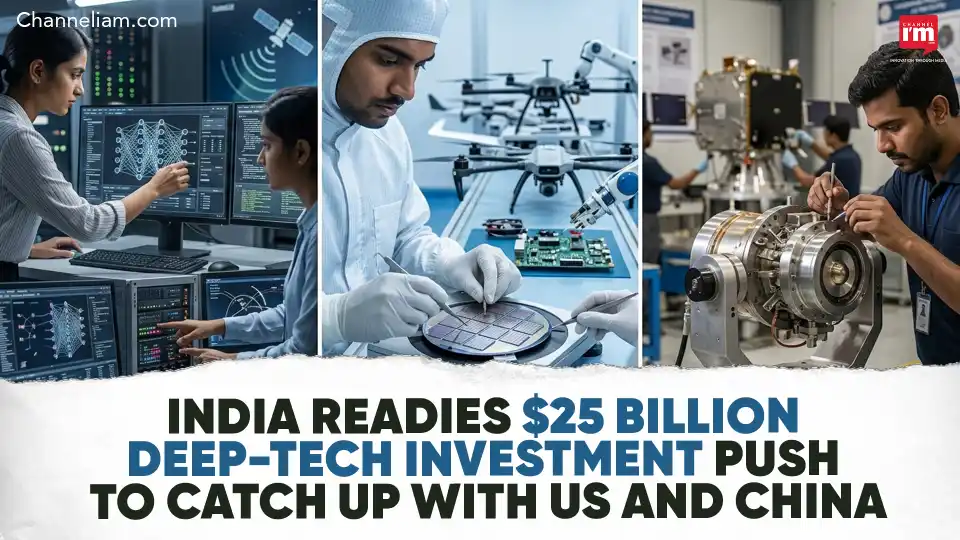
India plans $25 billion deep‑tech fund focused on AI and chips
Today
OpenAI safety lead David Robinson quits over ‘broken’ safety culture
Today