Johor Bahru smart city uses AI to manage traffic, potholes and cleanliness
TL;DR
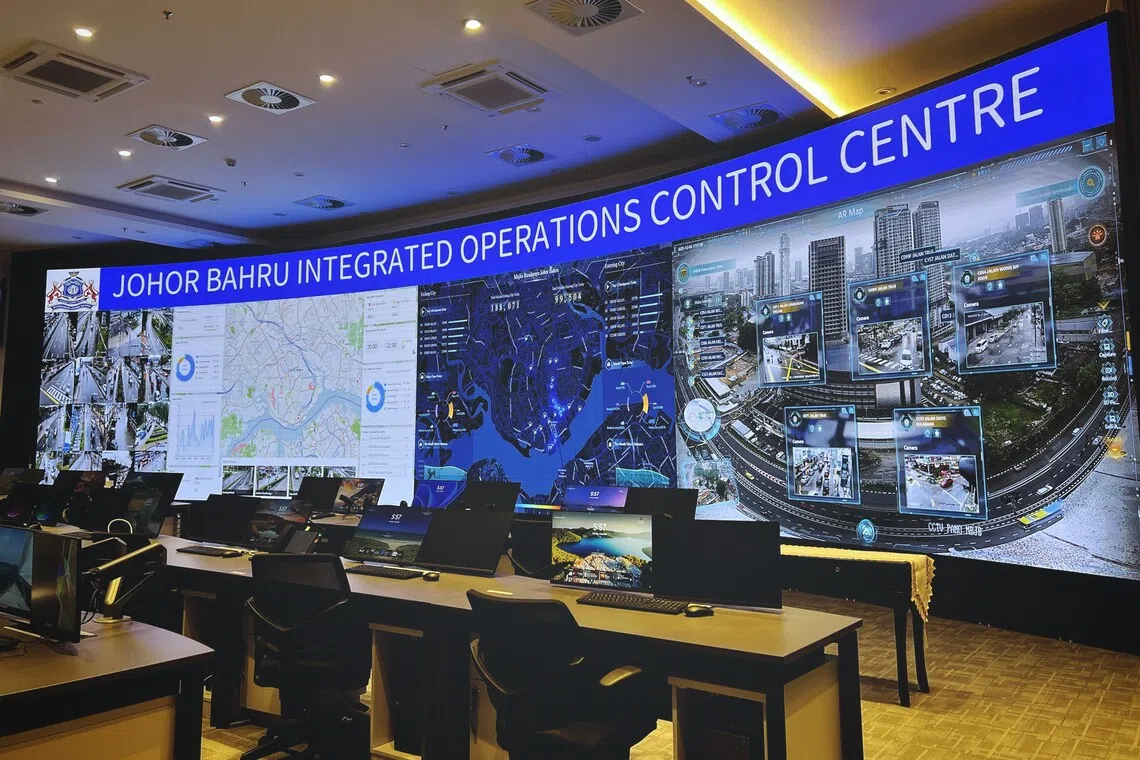
The Straits Times reports that Johor Bahru’s Integrated Operations Control Centre now uses AI on feeds from 555 CCTV cameras to track traffic, detect potholes and identify issues like garbage build-up in real time. The system underpins Malaysia’s first “leading smart city” rating for JB and is being expanded to support policing and city services.
About this summary
This article aggregates reporting from 1 news source. The TL;DR is AI-generated from original reporting. Race to AGI's analysis provides editorial context on implications for AGI development.
Race to AGI Analysis
Johor Bahru’s AI‑driven control centre is a concrete example of how mid‑size cities, not just megacities, are starting to operationalise AI as infrastructure. Instead of abstract “smart city” marketing, this deployment focuses on everyday pain points: traffic congestion, illegal dumping, potholes and crime. By wiring 555 cameras into an AI stack that can flag anomalies and dispatch crews, the city is effectively building a basic city‑scale agent system with perception, prioritisation and partial actuation through human teams. ([straitstimes.com](https://www.straitstimes.com/asia/se-asia/in-jb-malaysias-first-leading-smart-city-ai-is-used-to-ease-jams-and-detect-potholes/))
For the AGI conversation, this sort of system is important because it normalises AI as a decision‑support layer for public services. As capabilities improve, the temptation will be to give such systems more autonomy—dynamic road pricing, automated fines, predictive policing—raising governance questions that look a lot like “narrow AGI for cities.” Countries in Southeast Asia are positioning themselves as testbeds for these deployments, which will generate valuable operational data and lessons for richer jurisdictions. It’s a reminder that not all meaningful AI progress happens in Silicon Valley labs; some of it happens when a municipal engineer realises that deep‑learning pothole detectors can cut repair times from weeks to 24 hours.
Who Should Care
Related News
UPS unit rolls out AI fraud detection to tackle $76.5bn in fake returns
TodaySamsung unveils AI‑powered home appliances ahead of CES 2026
Today