Ren Zhengfei tells ICPC champions: AI’s real power is in industry, not just labs
TL;DR
In a lengthy Q&A with ICPC world finalists at a Huawei campus, founder Ren Zhengfei argued that the most important breakthroughs in AI over the next 3–5 years will come from applying large models to gritty industrial and medical use cases rather than chasing abstract benchmarks. He cited examples like AI‑optimized blast furnaces, unmanned coal mining, fully automated ports in Tianjin and Chancay, and medical models that analyze pathology slides or retinal images to bring specialist‑grade diagnosis to remote areas, framing these as the kinds of 1% efficiency gains that compound into massive national productivity. Ren repeatedly told the young medalists that “hope lies in youth,” but stressed that sovereign AI strength will depend on deep collaboration between universities doing “0‑1” research and companies like Huawei turning theory into robust products. He also took a pragmatic line on geopolitics, saying Huawei will buy quantum computers once they exist rather than trying to lead that field, and that even under US sanctions, China must stay open to foreign technology and global talent while focusing its own efforts on networks and applied AI that unlock real‑world value.
About this summary
This article aggregates reporting from 1 news source. The TL;DR is AI-generated from original reporting. Race to AGI's analysis provides editorial context on implications for AGI development.
Related News
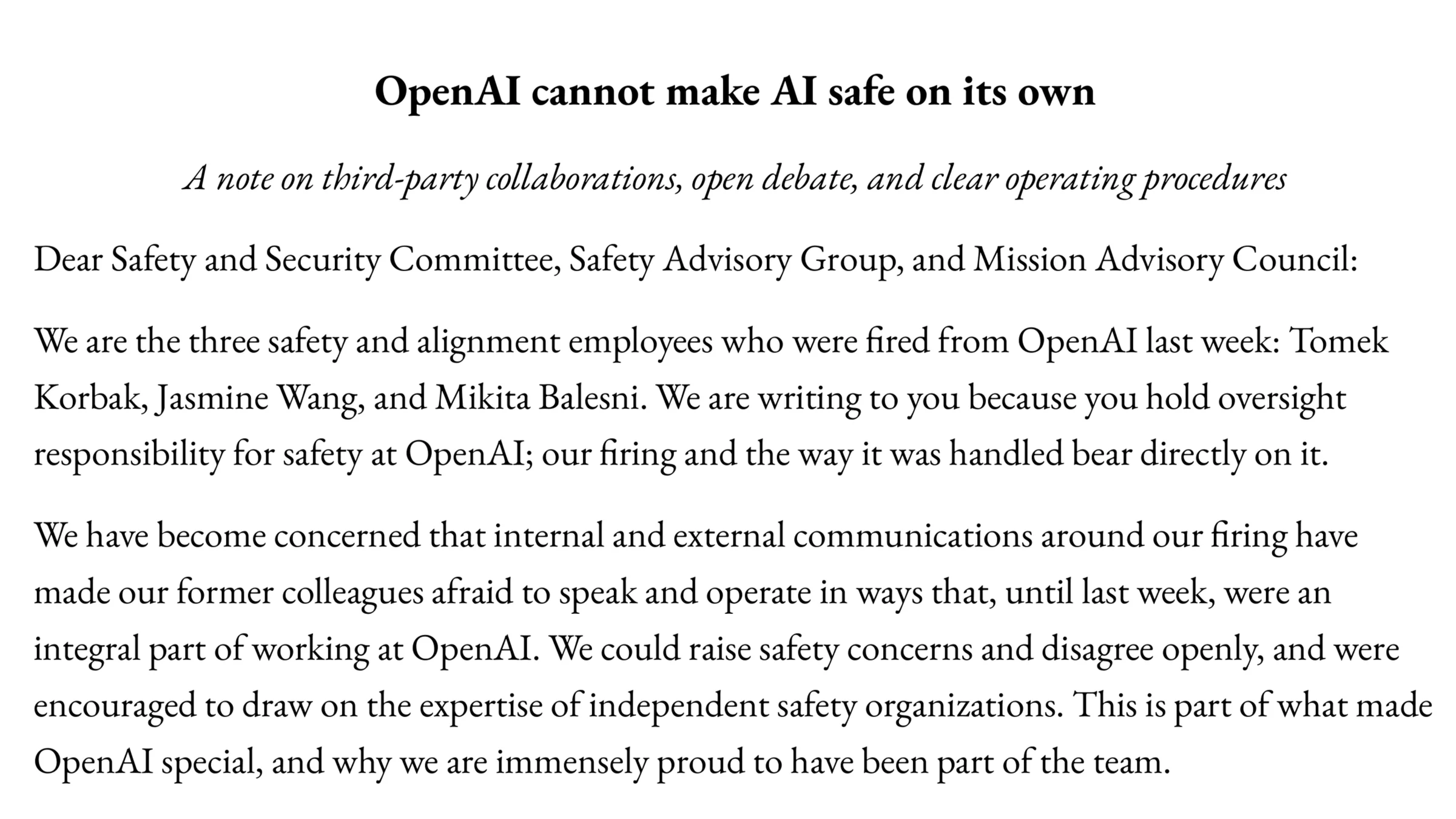
OpenAI safety firings spur calls for stronger external oversight
TodayRobert Reich urges using liability law to curb AI and climate risks
Today
Amazon AI data centers in India face backlash over water and power strain
Today