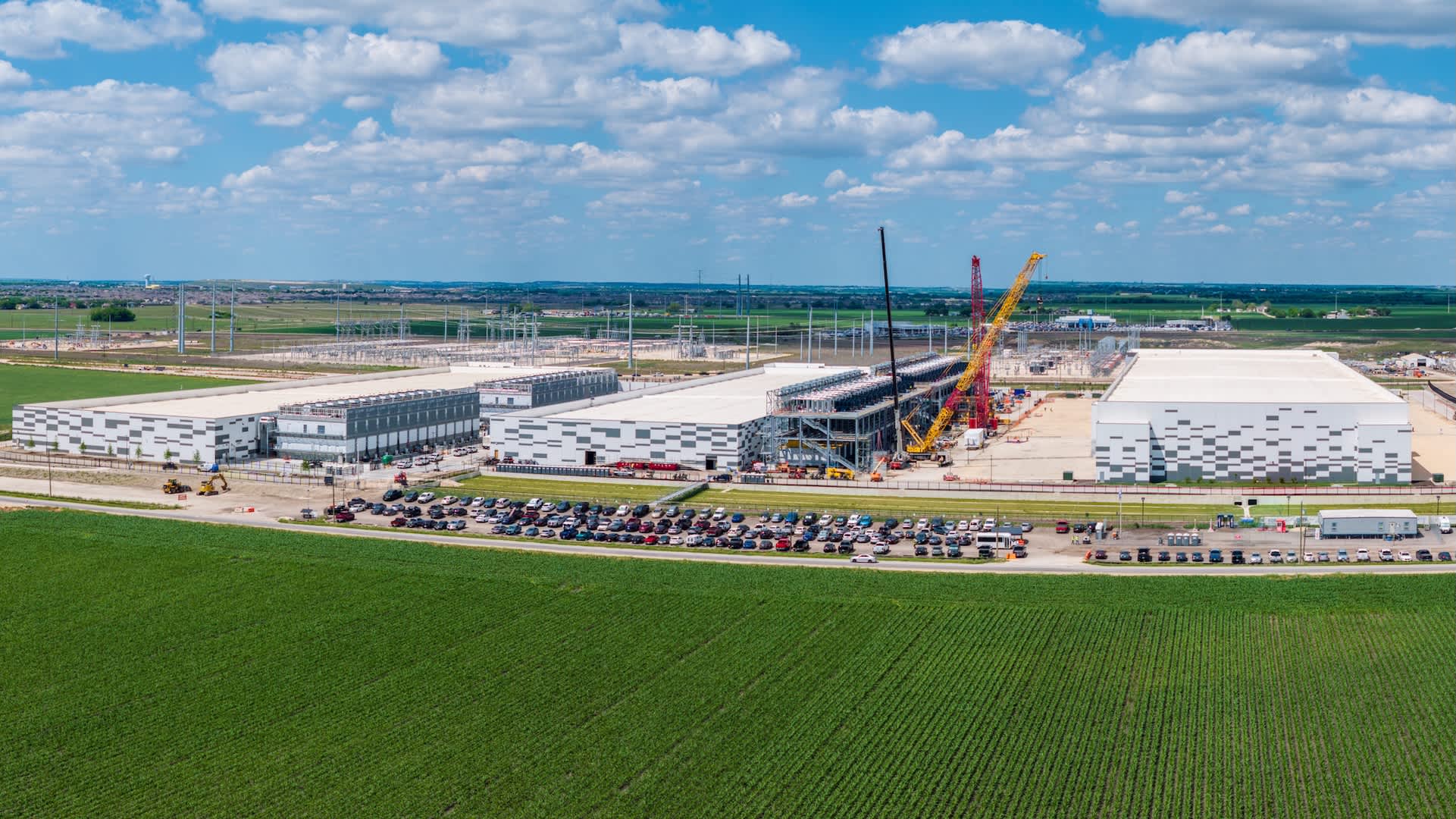
New York datacenter moratorium targets AI hyperscale build-out
TL;DR
On June 6, 2026, the Guardian reported that New York lawmakers approved a one-year moratorium on new hyperscale datacenters over 20MW. The bill, aimed at facilities driving the AI boom, now awaits Governor Kathy Hochul’s signature to become the first statewide pause of its kind in the US.
About this summary
This article aggregates reporting from 1 news source. The TL;DR is AI-generated from original reporting. Race to AGI's analysis provides editorial context on implications for AGI development.
Race to AGI Analysis
New York’s proposed moratorium is one of the first state-level attempts to put a brake on the physical infrastructure powering the AI boom. By explicitly targeting hyperscale datacenters over 20MW, the bill zeroes in on the compute clusters used for training and serving frontier models, not generic cloud workloads. That makes it a test case for how far local communities and environmental advocates can push back against the land, water, and grid demands of AI without triggering capital flight to friendlier jurisdictions.
For the race to AGI, the signal here is as important as the substance. A one‑year pause in a single state won’t starve leading labs of GPUs, but it shows that datacenter opposition is coalescing around AI specifically, not just generic “big tech.” If more states or countries adopt similar measures, the cost of scaling compute could rise, forcing labs and hyperscalers to internalize environmental externalities or lean harder on efficiency, model compression, and agentic orchestration instead of brute‑force scaling.
Strategically, companies that can deliver the same or better AI performance per watt—and site infrastructure in regions with stable political support—gain an edge. This kind of policy friction nudges the field away from a pure “more FLOPs wins” dynamic toward a multi‑constraint optimization problem involving energy, water, and local politics.