Claude Mythos triggers India‑wide financial cybersecurity review
TL;DR
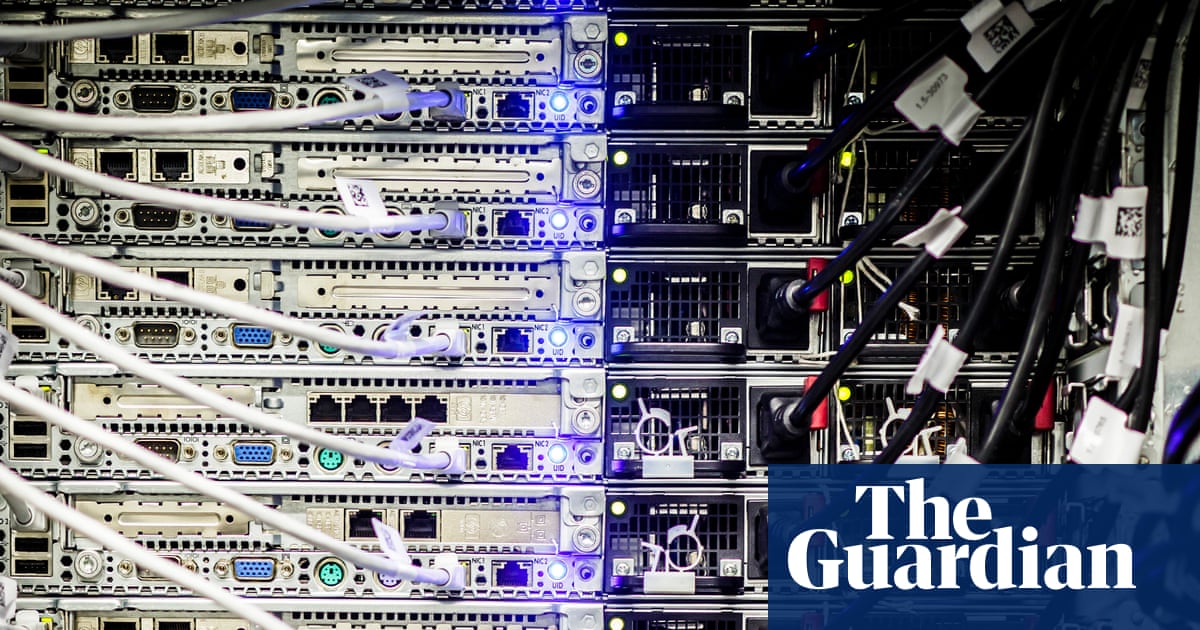
On May 6, 2026, Indian media detailed how Finance Minister Nirmala Sitharaman convened top bankers to review cyber defences in response to Anthropic’s Claude Mythos AI model, which has shown unprecedented vulnerability‑finding capabilities. Around the same time, SEBI issued a circular naming Mythos and set up a ‘cyber-suraksha.ai’ task force, warning all market entities to harden systems against next‑generation AI threats.
About this summary
This article aggregates reporting from 4 news sources. The TL;DR is AI-generated from original reporting. Race to AGI's analysis provides editorial context on implications for AGI development.
Race to AGI Analysis
Claude Mythos is becoming the first frontier model whose *defensive* capabilities have triggered system‑level policy responses around the world, and India is at the forefront. Sitharaman’s high‑level review with major banks, combined with SEBI’s circular naming Mythos and launching the cyber‑suraksha.ai task force, shows regulators now treat AI models themselves—not just generic hackers—as potential systemic risk vectors. That’s a qualitative shift from earlier, vaguer conversations about “AI in cybersecurity”.
Strategically, this pushes financial institutions toward a new equilibrium: they must simultaneously explore using models like Mythos for defence while preparing for attackers to do the same. For Anthropic, it’s a validation of its positioning as a safety‑first lab, but also a reminder that releasing powerful specialised models, even in preview, can have geopolitical consequences. For India, it’s a chance to shape global norms on how frontier cyber‑capable AI should be sandboxed and shared.
The impact on AGI timelines is ambiguous. Heightened concern could slow deployment of particularly dangerous capabilities or channel them into tightly controlled consortia. But it will also catalyse heavy investment into AI‑for‑cyber on both offence and defence, accelerating certain arms‑race dynamics around autonomous, tool‑using agents.
Who Should Care
Companies Mentioned
Related News
EPAM and Anthropic launch multi‑year safe enterprise AI partnership
Today
IBM Consulting unveils agentic AI platform upgrades at Think 2026
Today
Meta faces fresh copyright lawsuit over Llama AI training data
Today