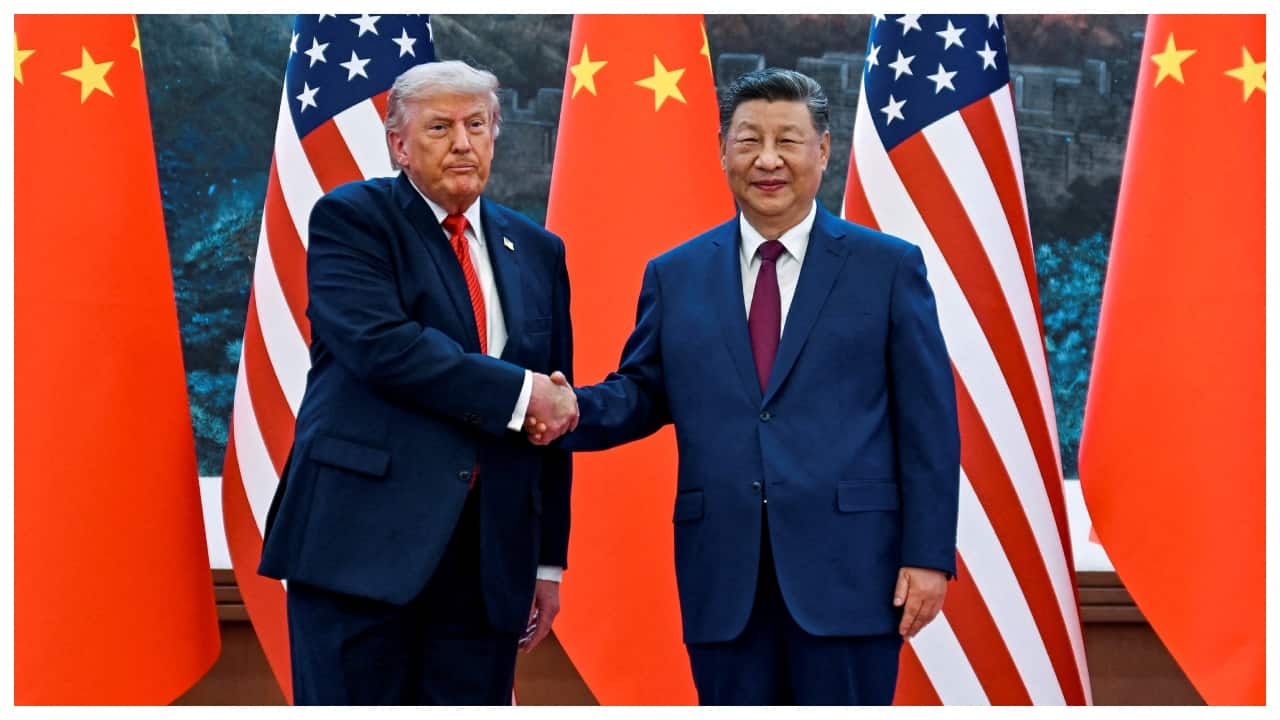
Eastwall earns Microsoft AI Apps on Azure specialization
TL;DR
Denver‑based Eastwall announced on April 3, 2026 that it has earned Microsoft’s “AI Apps on Microsoft Azure” specialization. The designation recognizes partners that meet technical criteria and pass an independent audit for building and deploying production AI applications using Azure AI services, Azure OpenAI and data platforms.
About this summary
This article aggregates reporting from 1 news source. The TL;DR is AI-generated from original reporting. Race to AGI's analysis provides editorial context on implications for AGI development.
Read next
Race to AGI Analysis
While partner badges don’t usually make headlines, Microsoft’s AI Apps on Azure specialization is a good proxy for the maturity of the enterprise AI stack. Eastwall clearing the bar—and emphasizing audits around architecture, security and customer outcomes—shows how quickly a professional services layer is forming on top of Azure’s model offerings, including Azure OpenAI and AI Foundry.([prnewswire.com](https://www.prnewswire.com/news-releases/eastwall-achieves-microsoft-ai-apps-on-azure-specialization-strengthening-frontier-ai-engineering-capabilities-302733426.html))
In the race to AGI, deployment capacity matters as much as model capability. Enterprises will lean heavily on integrators that can safely wire general‑purpose models into messy legacy systems, data estates and business processes. Specializations like this effectively create a vetted guild of AI SIs who can be trusted with large‑scale rollouts, from copilots to domain‑specific agents. That, in turn, shapes whose preferences feed back into Microsoft’s model roadmap and safety practices.
For smaller AI vendors, the growing influence of Azure‑only shops like Eastwall is a double‑edged sword: they expand the market for applied AI but also deepen customer lock‑in to a single hyperscaler. Over time, the distribution and implementation power of these integrators could matter almost as much as the capabilities gap between frontier models.
Who Should Care
Related News
Microsoft activates Hyderabad AI infrastructure hub for Indian enterprises
1 weeks ago
Meta Muse AI agent tops US app charts with 902,000 downloads
1 weeks ago