Clearview facial recognition error jailed woman 108 days, report says
TL;DR
On April 1, 2026, Spanish outlet ¡HOLA! reported that a woman spent 108 days in jail after an AI‑based facial recognition system misidentified her as a suspect. The piece says police relied on Clearview AI’s facial recognition software, which matched her image to a crime she did not commit, leading to wrongful detention until the error was uncovered.
About this summary
This article aggregates reporting from 1 news source. The TL;DR is AI-generated from original reporting. Race to AGI's analysis provides editorial context on implications for AGI development.
Race to AGI Analysis
Stories like this are a visceral reminder that AI failure isn’t just about model accuracy; it’s about how institutions choose to treat AI outputs as evidence. A misfire from a facial-recognition system—likely trained and deployed far from public scrutiny—translated directly into a 108‑day loss of liberty for an individual. That’s a governance failure as much as a technical one, but it will inevitably be read by the public as a failure of “AI” writ large.([hola.com](https://www.hola.com/al-dia/20260401893158/fallo-ia-carcel-108-dias-mujer-error-reconocimiento-facial/))
In the race to AGI, these incidents are canaries in the coal mine. As systems become more capable, the temptation to lean on their judgments in high‑stakes settings will grow, even when those systems are brittle outside their training distribution. Each wrongful arrest or conviction linked to AI will harden political opposition, fuel calls for moratoria and constrain how quickly more advanced systems can be deployed in safety‑critical domains. That doesn’t stop core research progress, but it does shape the social license frontier labs operate within. The labs and vendors that invest early in documentation, contestability and human‑in‑the‑loop safeguards will be better positioned than those who simply disclaim misuse.
Who Should Care
Related News

OpenAI robotics chief quits over Pentagon AI deal backlash
3 weeks ago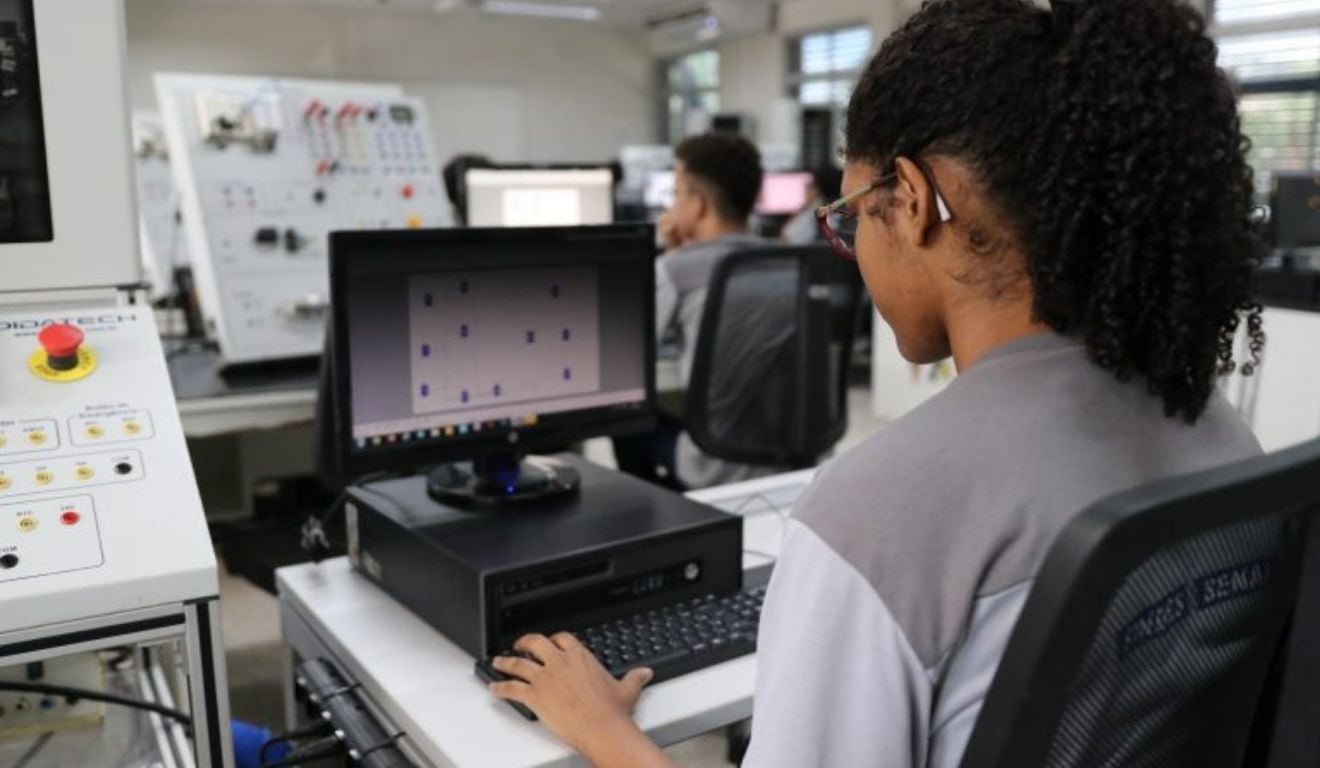
Senai-ES launches 1,500 free AI and tech courses for women in Brazil
3 weeks agoOpenAI robotics chief quits over Pentagon AI surveillance fears
3 weeks ago