Vietnam launches national AI fund to power new AI law rollout
TL;DR
On March 7, 2026, Vietnam announced the creation of a national AI development fund for 2026–2027 to support implementation of its new Law on Artificial Intelligence. The fund will finance AI research, innovation clusters and pilot projects across public and private sectors, alongside new decrees on AI ethics and high‑risk systems.
About this summary
This article aggregates reporting from 2 news sources. The TL;DR is AI-generated from original reporting. Race to AGI's analysis provides editorial context on implications for AGI development.
Race to AGI Analysis
Vietnam is quietly doing something many larger economies are still talking about: pairing a comprehensive AI law with dedicated money to make it real. The national AI development fund is more than a grant pot – it’s a mechanism to turn abstract principles about ‘trustworthy AI’ into funded clusters, pilot deployments and supporting infrastructure. In practice, that means AI parks, university–industry consortia, and early projects that test how far local teams can push models in Vietnamese language, public services and export‑oriented manufacturing.([opengovasia.com](https://opengovasia.com/vietnam-national-ai-development-fund-to-accelerate-innovation/))
From an AGI race perspective, this is another data point in a trend: mid‑tier economies building their own AI stacks rather than waiting for Silicon Valley or Shenzhen to show up. Vietnam won’t out‑spend the US or China, but by concentrating funds around its new AI law it can create a coherent regulatory sandbox: companies know the rules, regulators get real feedback, and local researchers get repeatable access to funding and compute. Over a decade that’s how you turn a policy document into a functioning ecosystem.
For frontier labs, Vietnam’s move matters less for raw model capability and more for geopolitical diversification. If more ASEAN states couple AI legislation with targeted funding, the region collectively becomes a serious buyer of models, infrastructure and safety tooling – and a meaningful counterweight to US‑China duopolies in setting de facto norms.
Who Should Care
Related News
China drafts AI rules for digital humans to protect minors
2 weeks ago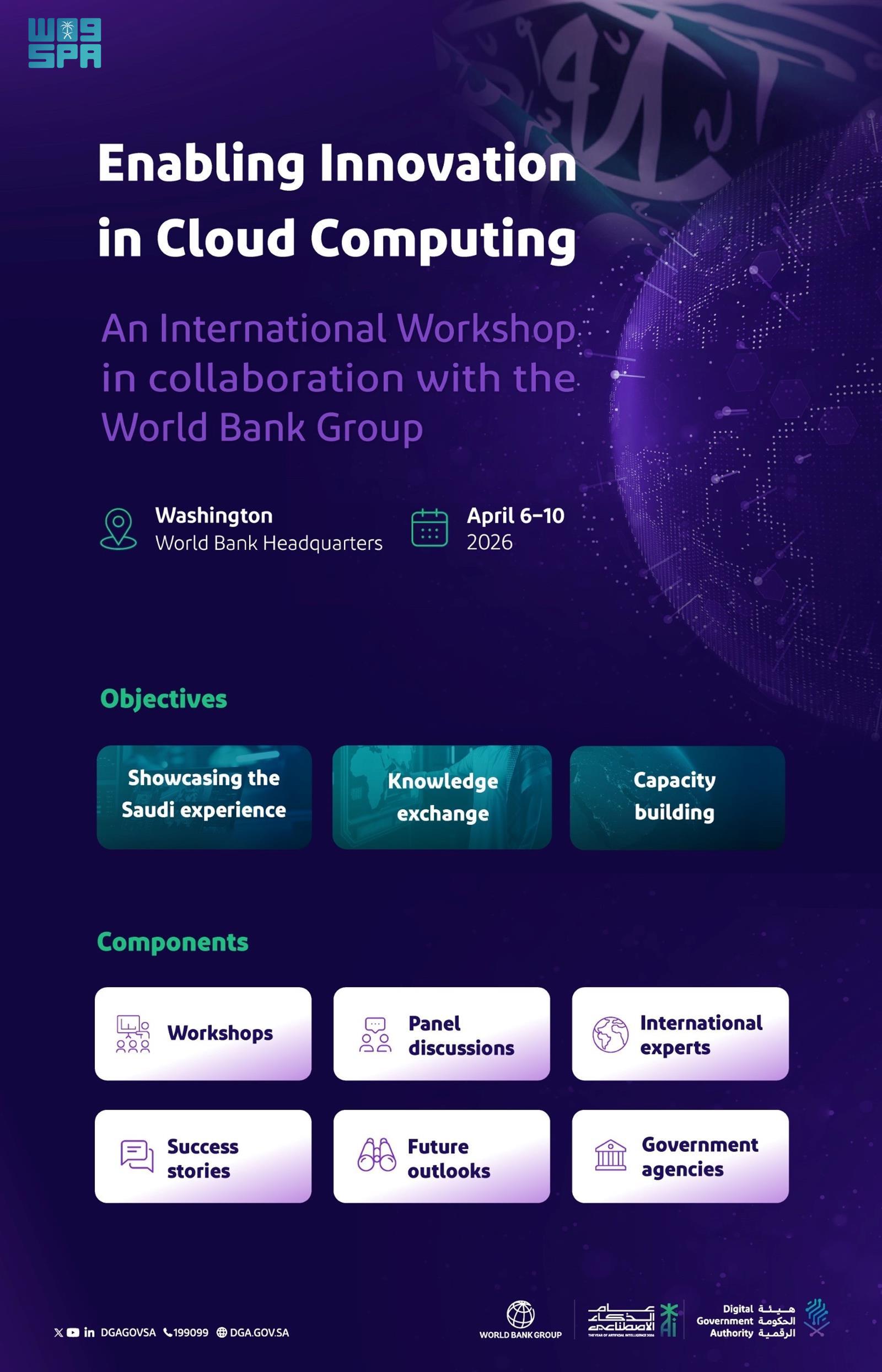
Saudi digital authority and World Bank launch AI cloud workshop
2 weeks ago
Saudi data watchdog issues AI-era warning on biometric privacy risks
2 weeks ago