US weighs global approval regime for exporting advanced AI chips
TL;DR
On March 7, 2026, AI Insider and other outlets reported that the U.S. Department of Commerce is drafting rules that would require government approval before advanced AI accelerators are exported to buyers worldwide, not just to currently restricted countries. The draft, based on Bloomberg reporting, would make most overseas Nvidia and AMD AI chip sales subject to a licensing process, though Commerce officials have denied reviving an earlier, broader ‘AI diffusion’ rule.
About this summary
This article aggregates reporting from 4 news sources. The TL;DR is AI-generated from original reporting. Race to AGI's analysis provides editorial context on implications for AGI development.
Race to AGI Analysis
If Commerce goes ahead with a global licensing regime for AI accelerators, the U.S. effectively becomes the gatekeeper for who gets to train frontier‑scale models. That doesn’t just constrain adversaries; it also inserts friction into AI build‑out in allied countries, forcing national labs, hyperscalers, and sovereign cloud projects to negotiate Washington’s risk tolerance every time they want to light up a big new cluster. ([m.in.investing.com](https://m.in.investing.com/news/stock-market-news/proposed-us-ai-chip-export-licensing-could-slow-global-adoption-bernstein-says-5277782?ampMode=1&utm_source=openai))
For the race to AGI, this shifts power away from pure capital and talent and toward geopolitical alignment. U.S. firms like Nvidia and AMD retain pricing power but may face slower aggregate unit growth if licensing throttles demand or pushes buyers toward non‑U.S. alternatives. At the same time, U.S.‑aligned labs could benefit from a relative compute advantage if rivals struggle to secure comparable hardware. The open question is whether these controls remain narrowly risk‑based (focused on the very top end of chips and buyers of concern) or ossify into a broad bureaucratic bottleneck that slows the entire ecosystem.
Who Should Care
Related News
China drafts AI rules for digital humans to protect minors
2 weeks ago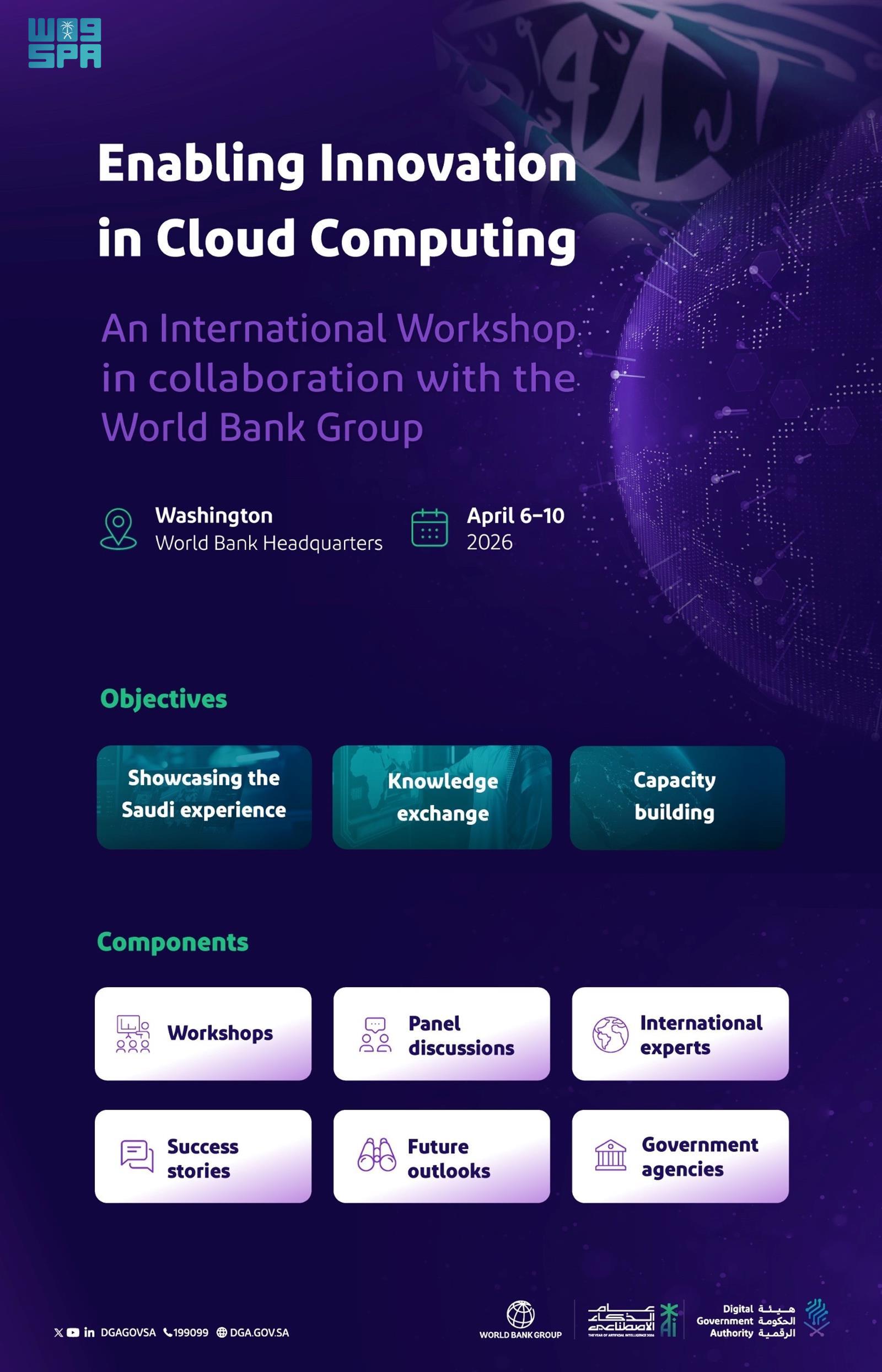
Saudi digital authority and World Bank launch AI cloud workshop
2 weeks ago