US Supreme Court keeps AI‑generated art outside copyright
TL;DR
On March 7, 2026, Spanish tech outlet WWWhat's New reported that the U.S. Supreme Court declined to hear Stephen Thaler’s appeal seeking copyright for an image created entirely by his AI system. The refusal leaves in place lower‑court rulings that works without human authorship cannot be registered for copyright in the United States.
About this summary
This article aggregates reporting from 2 news sources. The TL;DR is AI-generated from original reporting. Race to AGI's analysis provides editorial context on implications for AGI development.
Race to AGI Analysis
This case is a quiet but important marker in how legal systems are going to treat non‑human intelligence. By refusing to take Thaler’s appeal, the Supreme Court effectively blesses a line of lower‑court reasoning: copyright is for humans, and purely AI‑generated outputs without meaningful human contribution sit outside that regime. For now, that means the U.S. is drawing a bright line between AI as a tool and AI as an “author,” even as generative systems become more capable.
For the race to AGI, the ruling doesn’t slow core research, but it does shape incentives around full automation in creative industries. If AI‑only works can’t be protected, studios and platforms have a stronger reason to keep humans in the loop—not just for artistic value or ethics, but to secure IP. That nudges the ecosystem toward hybrid workflows where models draft, humans direct and refine, and legal authorship stays clearly on the human side. It’s an early example of law implicitly insisting on human control, even without mentioning AGI at all.
Who Should Care
Related News
China drafts AI rules for digital humans to protect minors
2 weeks ago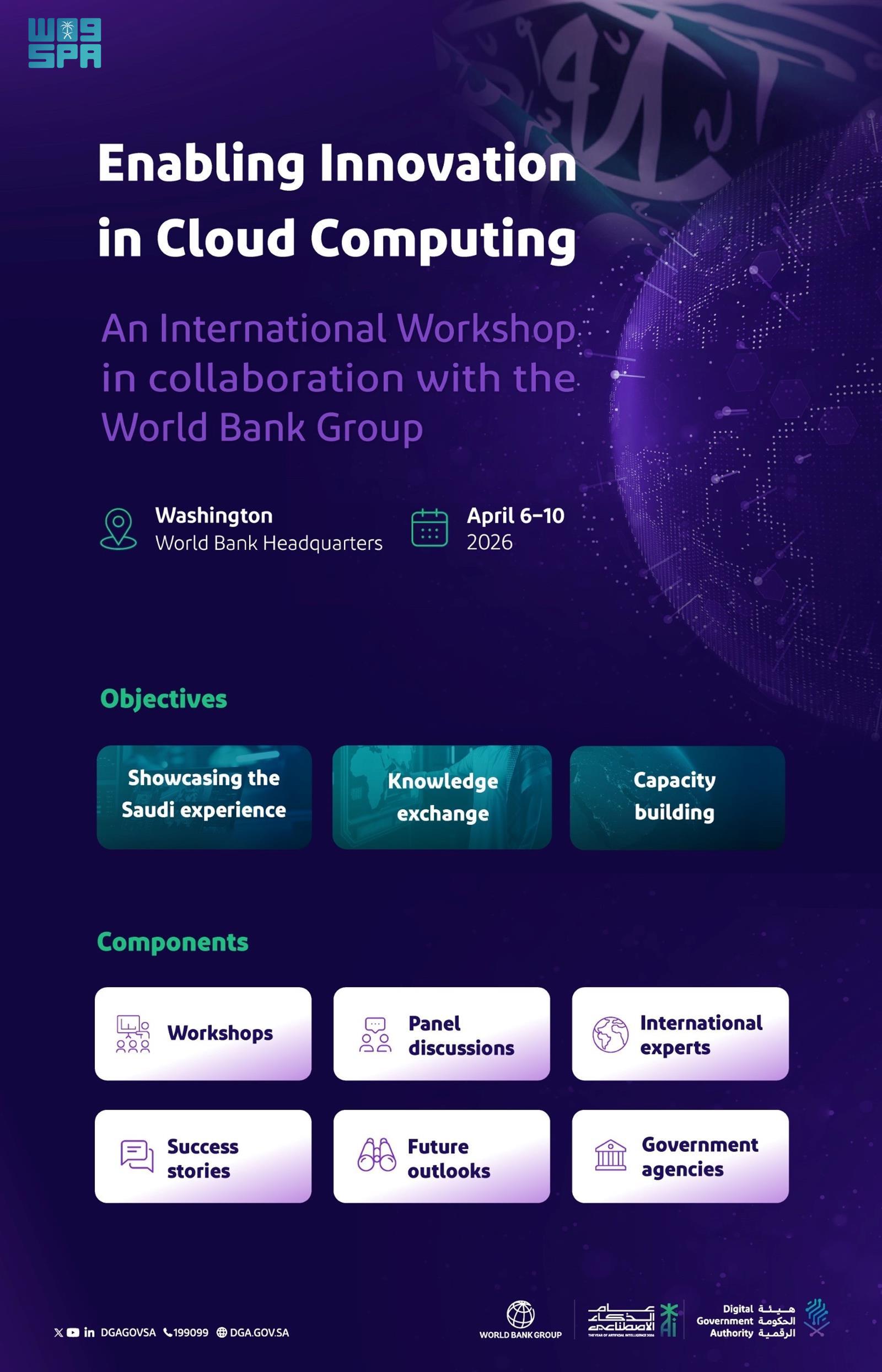
Saudi digital authority and World Bank launch AI cloud workshop
2 weeks ago
Saudi data watchdog issues AI-era warning on biometric privacy risks
2 weeks ago