Hong Kong starts cross-government legal review to enable AI adoption
TL;DR
On March 6, 2026 Hong Kong’s Secretary for Justice convened the first meeting of a steering committee to create an inter‑departmental working group reviewing laws to support wider AI use. The review will task all bureaus with identifying legal gaps and inconsistencies affecting AI deployment and will be coordinated by the Department of Justice.
About this summary
This article aggregates reporting from 2 news sources. The TL;DR is AI-generated from original reporting. Race to AGI's analysis provides editorial context on implications for AGI development.
Race to AGI Analysis
Hong Kong is doing something subtle but important: treating AI not as a single technology to regulate, but as a cross‑cutting factor that touches dozens of existing laws. By putting the Department of Justice in charge of an inter‑departmental working group, the government is effectively creating an internal AI governance taskforce that spans security, civil service, environment and digital policy. That’s a more integrated approach than the piecemeal sectoral rules we see elsewhere.([news.gov.hk](https://www.news.gov.hk/eng/2026/03/20260306/20260306_181722_397.html))
This matters for the race to AGI because legal friction can be as constraining as compute. If Hong Kong clarifies liability, data governance and accountability around AI systems early, it becomes a more attractive base for financial institutions, logistics platforms and AI-heavy SaaS vendors serving Greater China and ASEAN. Conversely, a clumsy review that produces overly conservative rules could cement perceptions that high‑stakes AI work should move to Shenzhen, Singapore or Dubai instead.
The other signal here is political: making AI law reform a Policy Address deliverable, and then following through with a formal working group, indicates that Hong Kong intends to be an AI hub with its own legal identity rather than simply inheriting mainland rules. In a world where compute, talent and capital are mobile, that kind of legal differentiation can shape where serious AGI-related engineering happens in the region.
Who Should Care
Related News
China drafts AI rules for digital humans to protect minors
2 weeks ago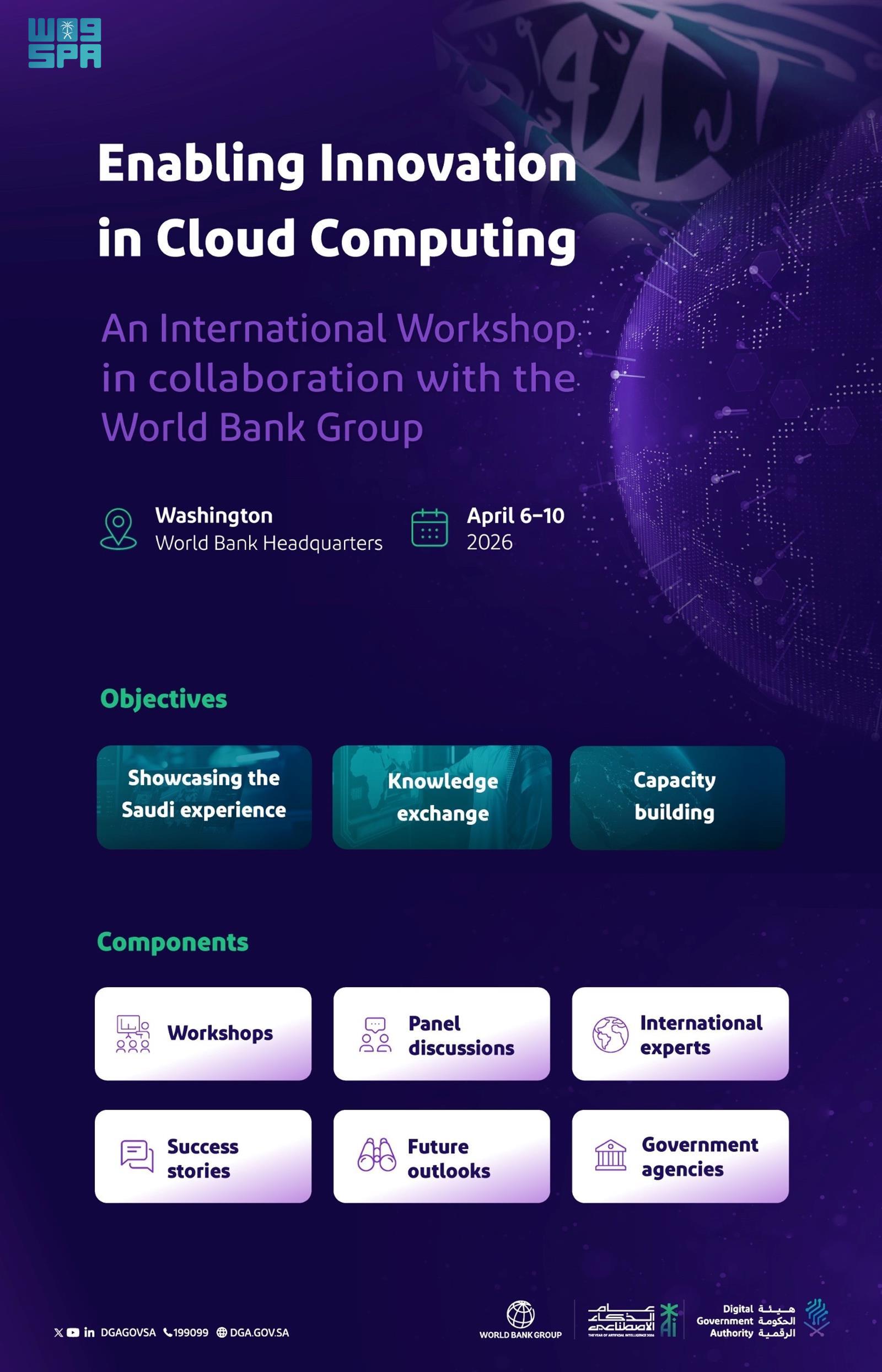
Saudi digital authority and World Bank launch AI cloud workshop
2 weeks ago
Saudi data watchdog issues AI-era warning on biometric privacy risks
2 weeks ago