China touts 30% factory AI adoption and trillion‑yuan AI sector
TL;DR
On March 5, 2026, China’s industry minister Li Lecheng said that over 30% of large‑scale manufacturing firms now use AI technologies and that the country’s core AI industry exceeded 1.2 trillion yuan in 2025, with more than 6,200 AI companies. At the same Two Sessions, CPPCC member and 360 Group founder Zhou Hongyi urged policies to optimize inference compute clusters and accelerate domestic AI accelerator chips to support billions of AI agents.
About this summary
This article aggregates reporting from 4 news sources. The TL;DR is AI-generated from original reporting. Race to AGI's analysis provides editorial context on implications for AGI development.
Race to AGI Analysis
These Two Sessions signals show how central AI has become to China’s industrial and political strategy. A claimed 30% AI adoption rate among large manufacturers and a 1.2‑trillion‑yuan core AI industry suggest Beijing views AI not just as a tech sector, but as horizontal infrastructure for the real economy. Pair that with Zhou Hongyi’s call to optimize inference clusters and push domestic inference chips, and you get a picture of a state trying to move from building base models to deploying billions of “digital employees” across industry.
For the race to AGI, the emphasis on inference—not just training—matters. Agentic systems that actually “do work” in factories, offices and security operations are far more compute‑hungry at inference time than chatbots. Zhou’s argument that specialized inference silicon is where Chinese vendors can leapfrog is strategically plausible, and a big domestic install base of agents would create the kind of usage data that helps close capability gaps with US labs.
At the same time, these numbers underscore how quickly AI is being normalized into critical infrastructure in China. That could make aggressive safety brakes or hard caps on compute politically harder later, because too many sectors become dependent on continuous scaling. For global competitors, it’s a reminder that China is racing on three fronts simultaneously: frontier models, industrial deployment, and the supporting power and compute stack.
Who Should Care
Related News
China drafts AI rules for digital humans to protect minors
1 weeks ago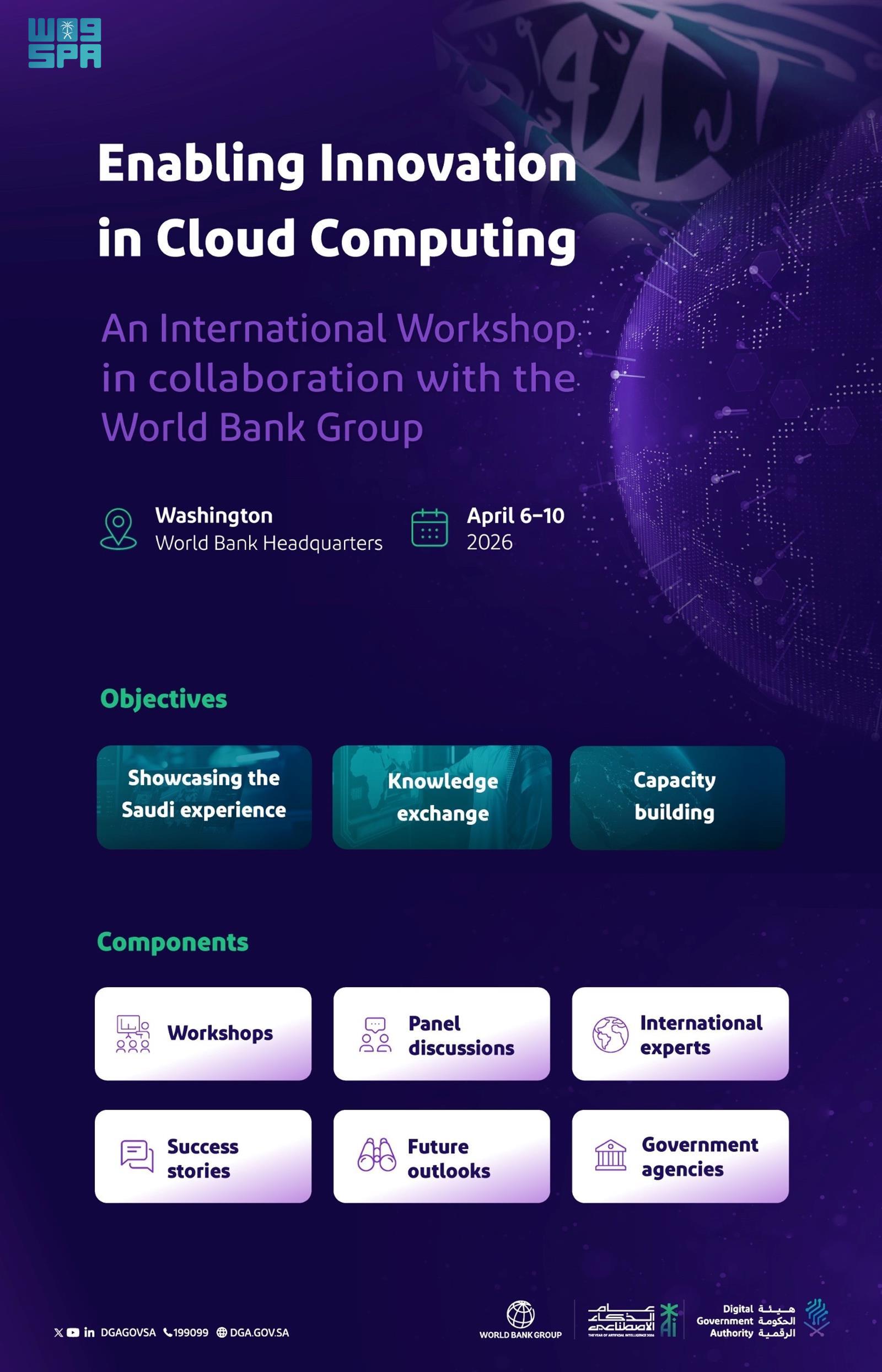
Saudi digital authority and World Bank launch AI cloud workshop
1 weeks ago
Saudi data watchdog issues AI-era warning on biometric privacy risks
2 weeks ago