Korea funds ₩9.2B open‑source AI software push for industry
TL;DR
On March 4, 2026, South Korea’s Ministry of Science and ICT opened a ₩92 billion (about $69 million) call for “2026 Open Source AI·SW Development and Utilization Support” projects. The program will fund around 10 projects to build and deploy open‑source AI software for manufacturing, services and other sectors, with results required to be published on platforms like GitHub.
About this summary
This article aggregates reporting from 3 news sources. The TL;DR is AI-generated from original reporting. Race to AGI's analysis provides editorial context on implications for AGI development.
Race to AGI Analysis
Seoul is quietly doing something that many countries talk about but rarely execute: investing real money in open‑source AI infrastructure. A ₩92 billion program dedicated to open‑source AI and software effectively treats code repositories and developer ecosystems as strategic assets, not afterthoughts. By requiring funded tools to be released on public platforms like GitHub, the ministry is explicitly trying to seed reusable building blocks—data pipelines, orchestration, inference infrastructure—that Korean firms can adopt instead of renting everything from the big US hyperscalers.
For the broader race to AGI, this matters because it chips away at one of the biggest sources of concentration: control over the software stack that turns raw compute into useful intelligence. If Korean firms can stand up competitive AI services on community infrastructure, they are less dependent on proprietary platforms as they scale agents and domain‑specific models. It also pushes domestic talent to work in transparent, inspectable codebases, which tends to improve safety and robustness over time compared with closed black‑box tooling.
Strategically, this is a bet that the next decade of AI advantage will be as much about who controls the open‑source middleware and tooling as who owns the largest GPU clusters. If it works, Korea could punch above its weight in AI tooling, similar to how it did in memory chips and displays.
Who Should Care
Related News
China drafts AI rules for digital humans to protect minors
1 weeks ago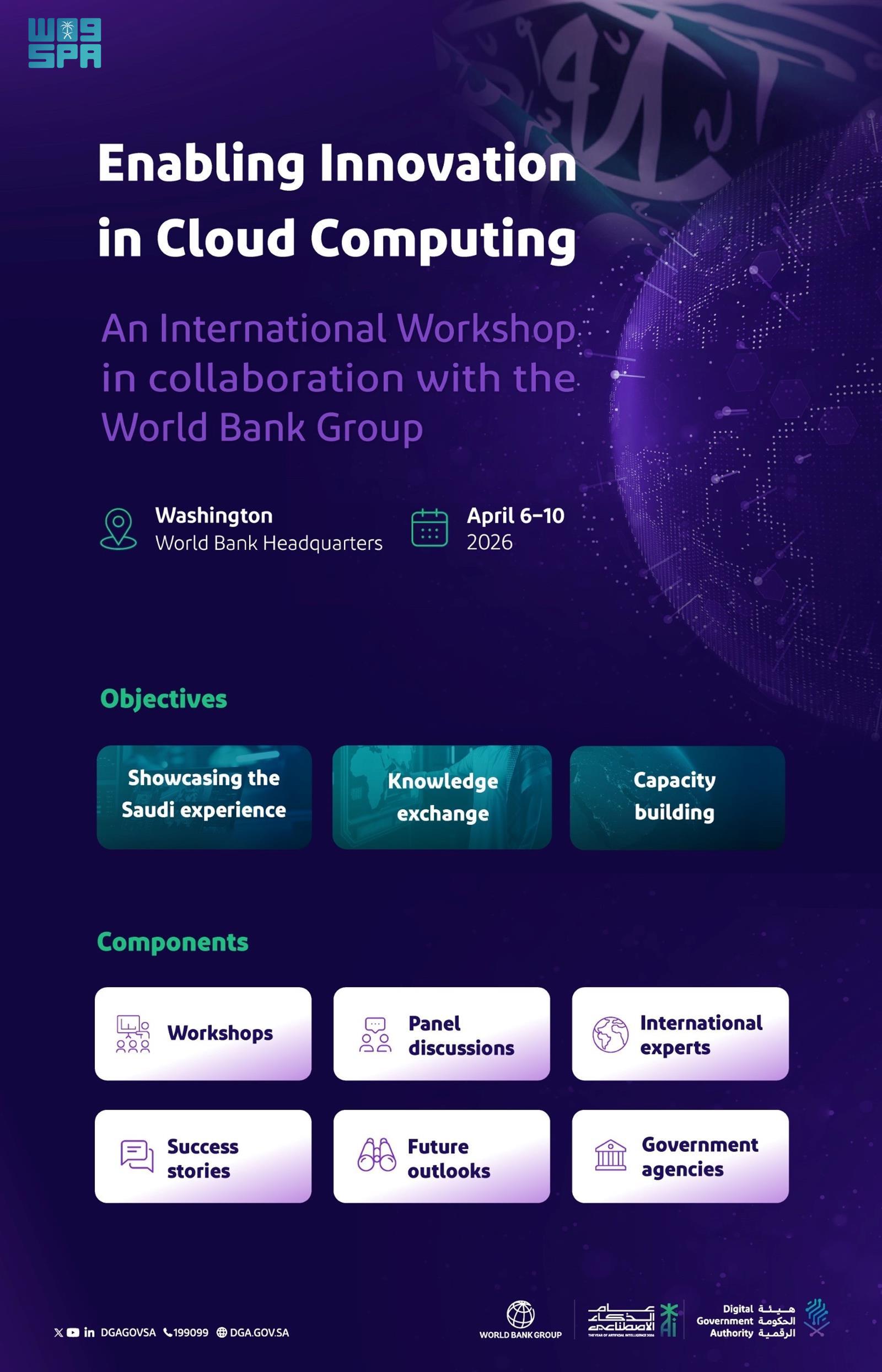
Saudi digital authority and World Bank launch AI cloud workshop
1 weeks ago
Saudi data watchdog issues AI-era warning on biometric privacy risks
1 weeks ago