China's AI Ecosystem Embraces Sustainable Integration
This trend signifies a strategic pivot in the Chinese AI landscape, where the integration of AI with smart sensing and sustainability is becoming paramount. It reflects a broader industrial shift towards enhancing traditional sectors through advanced AI applications, benefiting both local ecosystems and global sustainability goals while potentially disrupting traditional practices that are less adaptive to technological advancements.
Key Themes

Related Articles (4)
China’s Boao conference promotes ‘AI+’ integration with the real economy
At the 2025 Digital-Intelligence Technology Innovation Development Conference in Boao, Hainan, Chinese officials, academics and industry leaders discussed how “AI+” applications can drive industrial upgrading, with sessions on AI policy, technical trends and large-scale deployment across manufacturing, transportation and services. The event, organized by Xinhua and partners, highlighted the need to combine AI with 5G/6G, industrial IoT and robotics while building governance and security frameworks to manage risks from deep integration of AI into the real economy. ([wxb.xzdw.gov.cn](https://wxb.xzdw.gov.cn/xxh/xxhgzdt/202512/t20251205_629870.html))

Boao conference promotes 'AI+' integration across Chinese industries
Xinhua reports that the 2025 Digital Intelligence Technology Innovation Development Conference opened in Boao, Hainan, under the theme “AI empowers, leading new quality,” with a focus on integrating artificial intelligence into traditional and emerging industries. The state-backed event, part of a broader enterprise forum series, brought together policymakers, researchers and companies to discuss AI policy direction, technology iteration, application scenarios and ecosystem building as China seeks to use "AI+" to upgrade its industrial base.
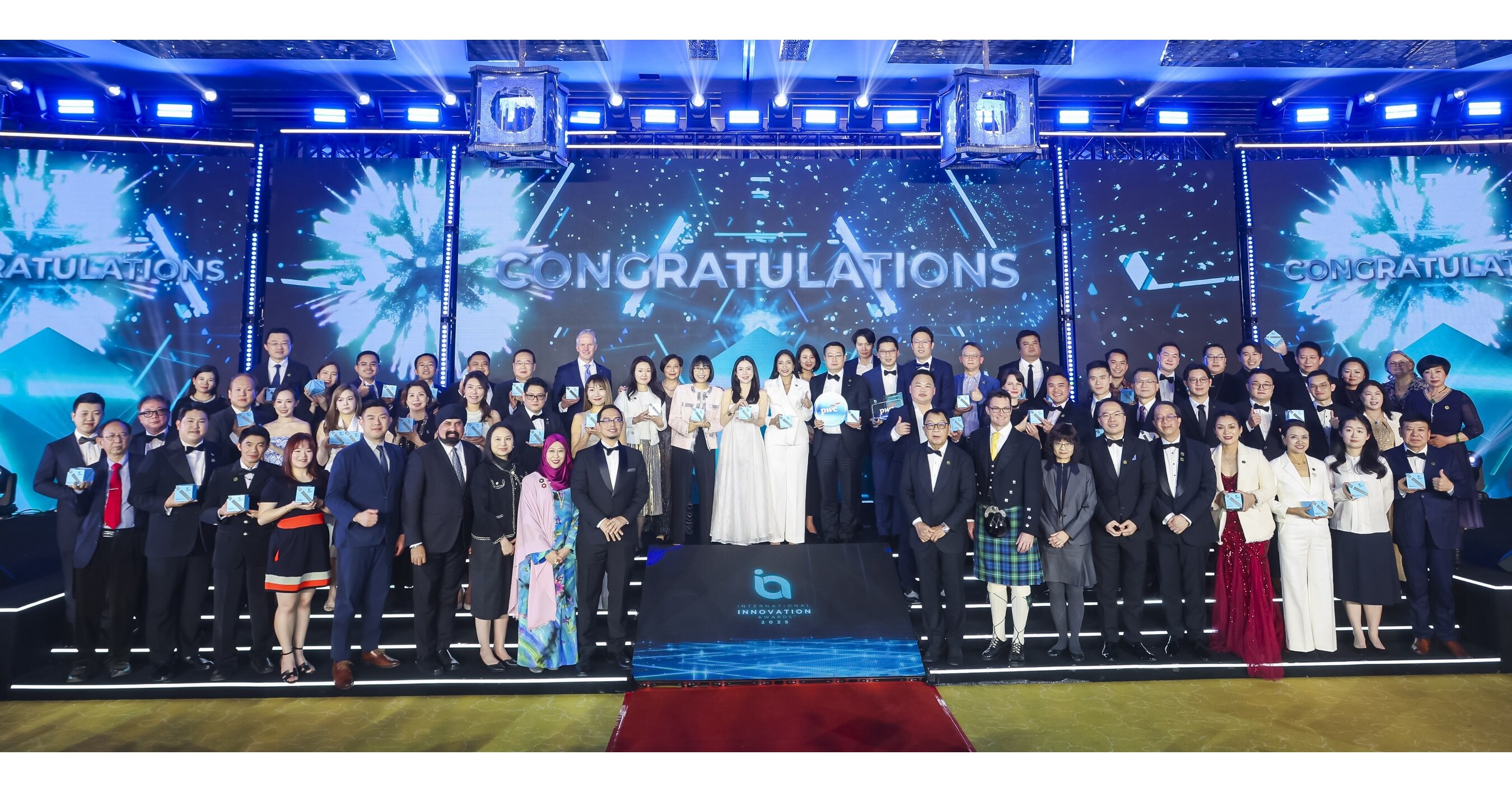
International Innovation Awards 2025 spotlight AI and sustainability breakthroughs
Enterprise Asia’s International Innovation Awards 2025 in Shanghai honored products and services that blend advanced technology, including AI, with sustainability and long-term transformation goals. Winners included AI- and automation-heavy initiatives such as ABB’s Accelerator program and PwC’s “agentic-native” audit ecosystem, reflecting how large incumbents are embedding AI into industrial, financial and smart city applications across more than 20 countries.
China’s 2025 Sensor Conference showcases AI applications built on smart sensing
At the 2025 Sensor Conference in Zhengzhou, Chinese firms demonstrated AI products built on advanced sensor components, including intelligent robots using locally produced sensors. Exhibitors such as Hanwei Technology highlighted how domestic sensor ecosystems are enabling new AI applications across industrial and consumer scenarios, reflecting China’s push to strengthen hardware foundations for AI.